
Introduction
In the current landscape of global manufacturing, the demand for miniaturized, high-strength, and geometrically complex components is accelerating. When industrial decision-makers ask, "What is Metal Injection Molding (MIM)?", the answer lies at the intersection of design flexibility and structural integrity. Metal Injection Molding combines the design freedom of plastic injection molding with the durability of fully dense metal parts. It is a highly advanced powder metallurgy technology that enables the mass production of intricate components that would be too costly, difficult, or impossible to manufacture using traditional machining or casting.
As industries such as aerospace, medical device manufacturing, and automotive shift toward tighter tolerances and lighter materials, MIM has emerged as a critical manufacturing pillar. At Zealot Inc., we have spent years engineering precision and delivering performance to global markets. With over 25 years of engineering experience, our in-house capabilities allow organizations to navigate the technical complexities of MIM seamlessly. This guide explores the foundational mechanics, material capabilities, and strategic advantages of Metal Injection Molding for enterprise applications.
Key Takeaways
- Hybrid Engineering: Metal Injection Molding (MIM) successfully combines the design versatility of plastic injection molding with the mechanical strength of dense metal.
- A Proven 6-Step Process: The manufacturing cycle involves mixing steel powder with a binder, creating feedstock, injection molding, debinding, sintering, and final finishing.
- High-Volume Efficiency: MIM is strategically designed for the scalable production of micro to small components requiring high precision and consistency.
- Diverse Material Capabilities: The process supports a wide spectrum of metals, including stainless steel, tool steel, titanium alloys, and tungsten alloys.
- Cross-Industry Adoption: MIM is heavily utilized across critical sectors such as aerospace, medical & surgical instruments, defence, automotive, and electronics.
- Cost Reduction: By eliminating extensive secondary machining, MIM dramatically lowers the total cost of ownership for producing complex metal geometries.
Understanding the Core: How Does Metal Injection Molding Work?
At its core, Metal Injection Molding is a sophisticated manufacturing process designed to circumvent the limitations of traditional metalworking. For procurement heads and engineering managers evaluating supply chain solutions, understanding the MIM process is crucial for optimizing product lifecycles.
The technology leverages a feedstock composed of fine metal powders mixed with a polymer binder. This binder acts as a temporary vehicle, allowing the metal to be injected into a customized mold with the exact geometric requirements of the final product. Once molded, the binder is systematically removed, and the remaining metal structure is sintered at temperatures near the melting point. This causes the metal particles to fuse, resulting in a fully dense, high-performance component.
The 6-Step MIM Process Explained
Achieving high precision and consistency requires a strictly controlled manufacturing environment. The standard MIM procedure follows six critical phases:
- Mixing: The process begins by mixing ultra-fine steel powder with a specialized polymer binder.
- Feedstock Creation: This mixture is formulated into a moldable feedstock, ensuring uniform distribution of metal particles.
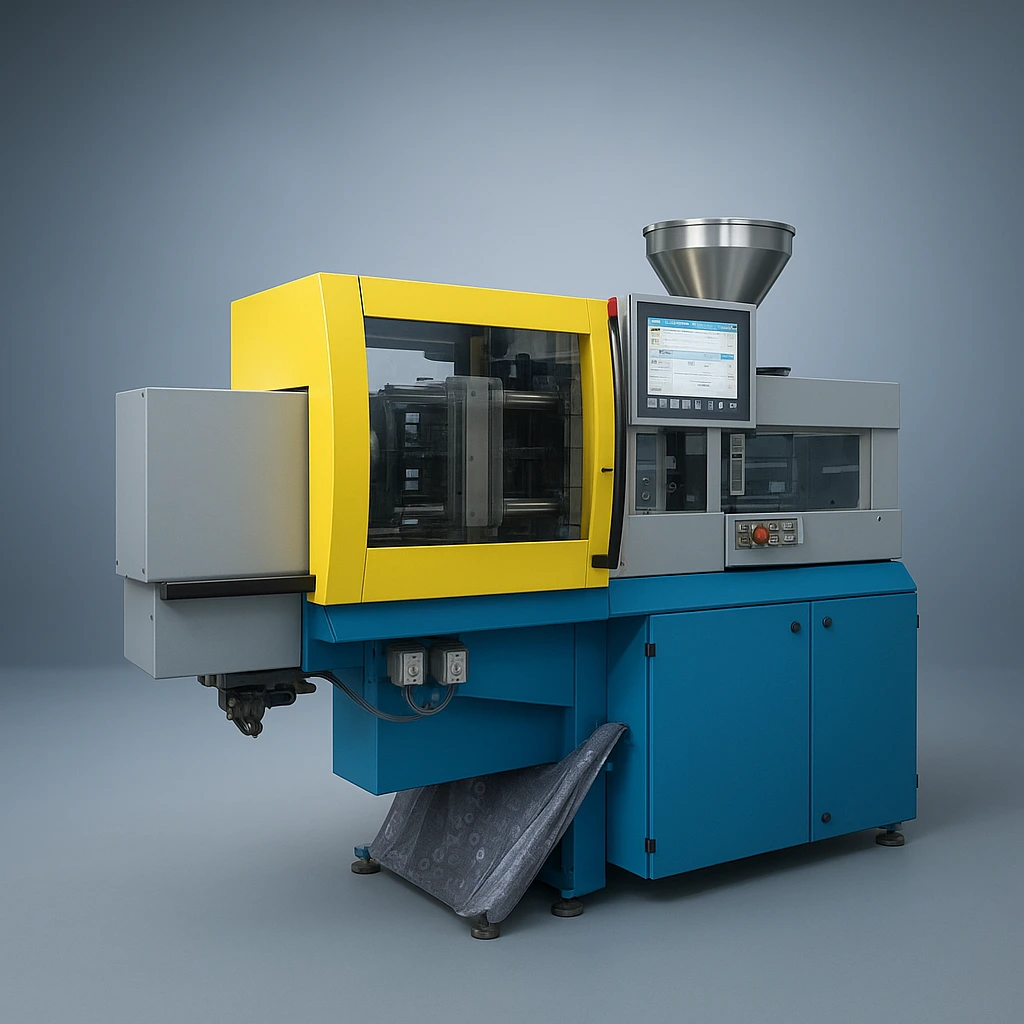
- Molding: The feedstock is fed into an injection molding machine and injected into precise, custom-designed molds to form the "green part".
- Debinding: The polymer binder is carefully removed using thermal, catalytic, or solvent methods, resulting in a fragile, porous "brown part".
- Sintering: The brown part is subjected to high-temperature densification in a controlled-atmosphere furnace, fusing the metal particles and shrinking the part to its final, dense state.
- Finished Good: The final precision component emerges, often requiring no secondary machining due to the high tolerances achieved during sintering.
Materials Used in Metal Injection Molding
The versatility of MIM is largely driven by its broad material compatibility. Depending on the operational requirements, such as tensile strength, corrosion resistance, or thermal conductivity, engineers can select from an array of advanced alloys.
Zealot provides manufacturing capabilities using several robust materials:
- Stainless Steel: Ideal for medical devices and consumer products requiring high corrosion resistance.
- Low Alloy Steel: Commonly used in automotive and industrial hardware for superior structural integrity.
- Tool Steel: Leveraged for cutting instruments and high-wear components.
- Tungsten Alloys: Utilized in aerospace and defence for high-density applications.
- Titanium Alloys: Critical for aerospace and surgical implants due to its high strength-to-weight ratio and biocompatibility.
Industrial Applications: Who Uses MIM Technology?
As industries move toward the 2025 manufacturing landscape, the miniaturization of mechanical systems is a dominant trend. The Metal Injection Molding sector is uniquely positioned to support these advancements.
Zealot has developed over 70 products serving more than 30 customers across 10+ industries. Key sectors include:
- Aerospace & Defence: Producing lightweight, durable, and precise components capable of withstanding extreme environmental stressors.
- Medical & Surgical Instruments: Manufacturing intricate surgical tools that require biocompatible materials and strict regulatory compliance.
- Automotive: Supplying complex under-hood components, structural parts, and specialized transmission mechanisms.
- Electrical & Electronics: Creating micro-components that manage heat dissipation and ensure connectivity in consumer electronics.
Strategic Advantages: Why Choose MIM over Traditional Machining?
For supply chain leaders conducting cost-benefit analyses, MIM offers unparalleled ROI when producing complex geometries at high volumes. Traditional CNC machining requires significant material removal, leading to high scrap rates and increased labor costs. Investment casting, while effective for larger parts, often falls short on micro-precision and surface finish.
MIM eliminates these bottlenecks by producing net-shape or near-net-shape components directly from the mold. This capability ensures a highly efficient production pipeline with minimal material waste, leading to a leaner, more sustainable manufacturing operation.
Comparison Table: MIM vs. Alternative Manufacturing Processes
| Feature | Metal Injection Molding (MIM) | CNC Machining | Investment Casting | Industrial Impact |
|---|---|---|---|---|
| Geometric Complexity | Excellent | Good (but expensive) | Good | MIM allows for undercuts, thin walls, and complex internal features without added costs. |
| Production Volume | High (10k - Millions) | Low to Medium | Low to Medium | MIM is the most scalable solution for enterprise-level mass production. |
| Material Waste | Minimal (<5%) | High (Up to 80%) | Moderate | Reduced waste drives down procurement costs and supports corporate sustainability goals. |
| Component Size | Micro to Small (0.1g - 250g) | Small to Large | Medium to Large | MIM excels in miniaturization, critical for modern electronics and medical devices. |
| Per-Part Cost (High Vol) | Low | High | Medium | High ROI achieved through reduced secondary operations and rapid cycle times. |
Conclusion
Understanding what Metal Injection Molding (MIM) is and strategically deploying it can be a transformative operational decision for modern manufacturing firms. By combining the geometric versatility of plastic injection molding with the uncompromising strength of metal, MIM technology solves the complex challenge of producing precise, intricate components at scale.
As global supply chains demand higher efficiency, tighter tolerances, and reduced material waste, partnering with an established industry leader is paramount. Zealot brings over 25 years of engineering experience to the table. With our in-house quality control laboratory and a proven track record of developing custom solutions, we are equipped to turn your engineering challenges into competitive advantages.